The True Cost Documentary Review

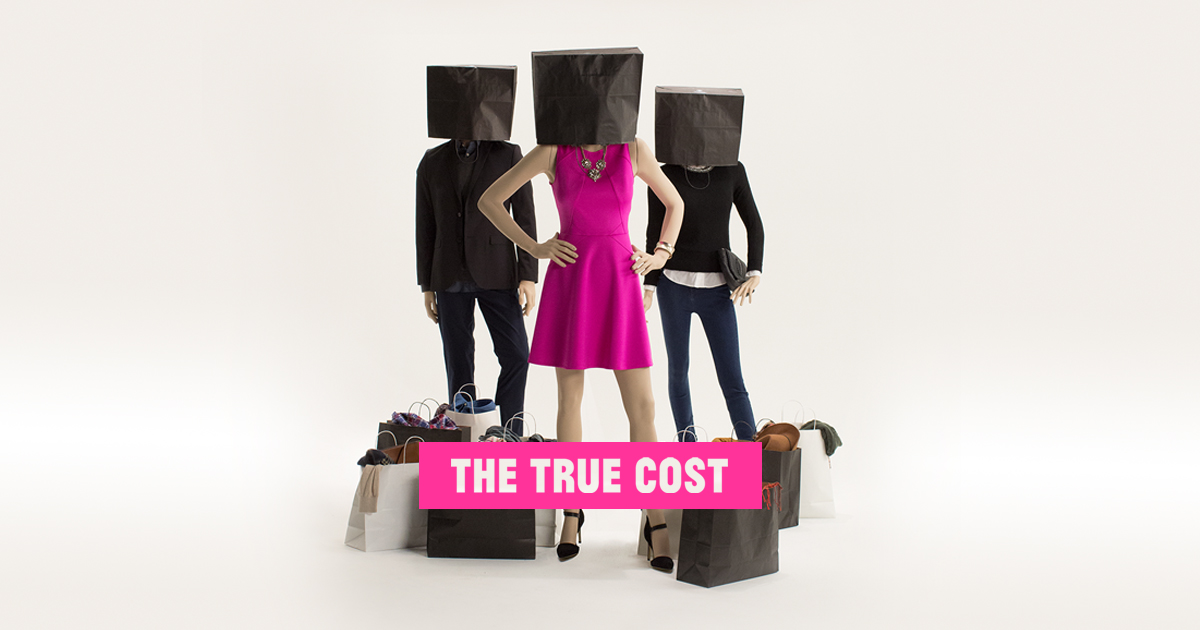
The True Cost |
Documentary Film by Andrew Morgan

The True Cost Documentary Synopsis

Filmmaker Andrew Morgan travels around the globe to see the people who make clothes for the world’s fashion. This is a story about every side of clothing and the fashion industry. The film highlights the impact the fashion industry has on everyday lives, and the world in itself. While clothing prices drop, the environmental and humanitarian effects increase. This film brings you to look at fashion in a new light, and has you question what goes on behind the scenes. 

The film includes interviews with Stella McCartney, Livia Firth, Safia Minney and Vandana Shiva, and features scenes varying from the village slums, to the bright runaways, to the factories where the clothes are made. See the different perspectives stemming from the clothing industry and the lives of those behind your clothes. 

Review

Andrew Morgan began his journey after the 2013 collapse of the Dhaka garment factory in Bangladesh. After the death of 1,134 people, it was brought to attention that prior to the collapse of the building, the workers had filed complaints about the unstable building. It was clear that the building was full of cracks and was overall an unsafe environment. This led Morgan to investigate further and ask questions about why the workers were forced to work in such unreliable conditions. 

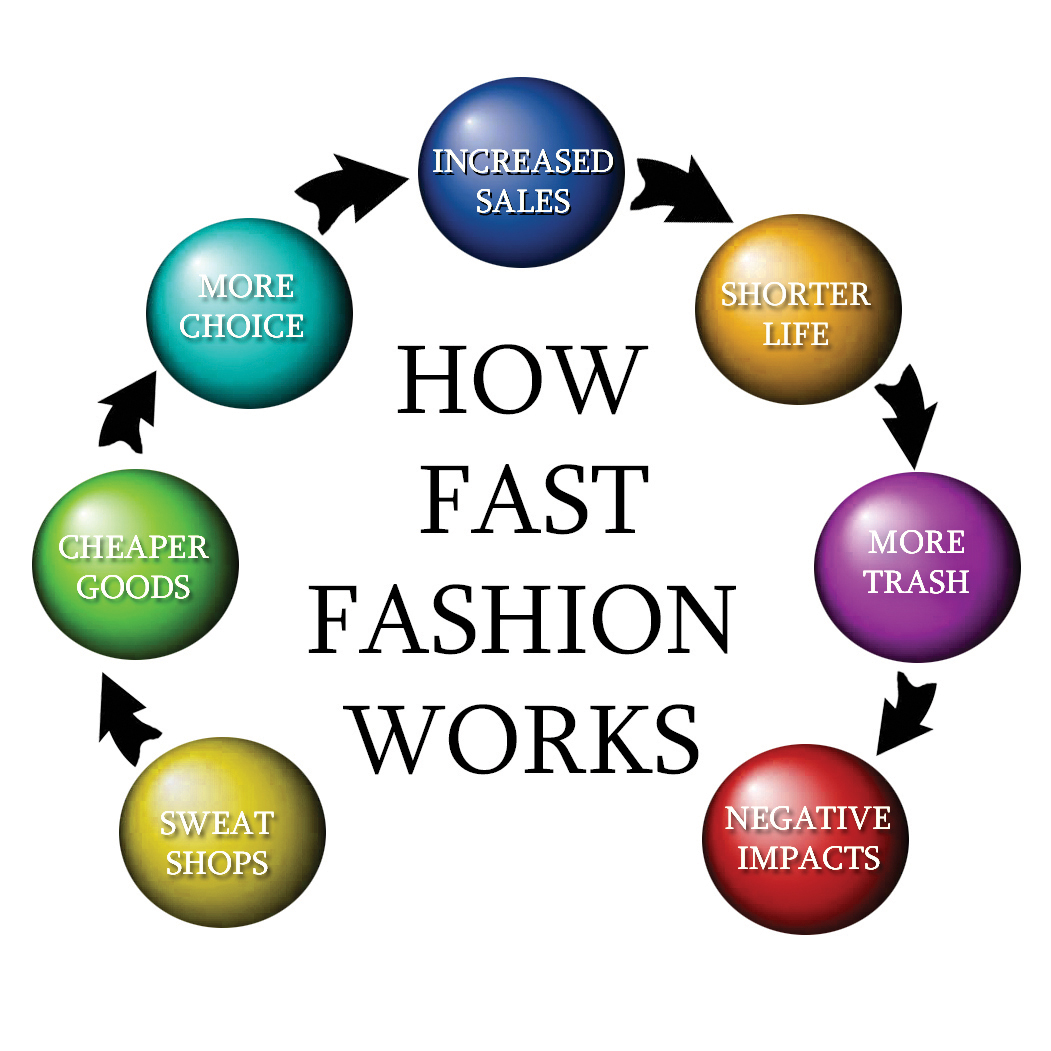
The documentary began by showing a timeline of fashion in the past. We learn that in the 1960’s, American made 95% of their clothing, while today we make less than 3%. Rather than having only 4 clothing seasons, it gradually became 52. New styles were being released every week. The constant production of new clothing encourages customers to throw out “unseasonal” clothing and constantly purchase more. The clothing becomes increasingly cheaper and cheaper, despite the fact that costs do not. Therefore, labor is also impacted by this cycle. 

Companies such as H&M and Forever 21 are at the forefront of cheap labor. They are not liable for the conditions in the factory, and they tend to go to countries who do not hold on to regulations. They participate in globalized production. Globalized production means that all of the making of goods has been outsourced to low-cost economies, particularly where wages are very low and kept low. This means that those companies at the top of the value chain get to choose where the products are being made. So if one factory says “We can’t make it that cheap anymore” then the brand will say “then we will not come to you anymore, we’re gonna switch to another place which is cheaper.” This how they pit manufacturers against one another and get the best prices. 

The film even zooms in on the living conditions of those who work in the factory, alone with working conditions. Long hours, no protection from toxic chemicals, and abuse are common in these areas. 

Even before clothing enters the factory, there is foul play at the start of production- in the cotton. Monsanto, the producer of pesticides and and genetically modified crops interrupt the natural procedures. Constant production rates in the factories require large amounts of cotton. Farmers must keep up with demand, and therefore they turn to the use of the genetically engineered seeds. These seeds need an exorbitant amount of pesticides, therefore causing the Earth to depend on the chemicals over time. Farmers go into so much debt due to the amount of pesticides needed to keep up with demand, that they are pushed to suicide. Over 250,000 Indian farmers have committed suicide due to the debt from the purchase of the seeds and agrochemicals. Additionally, the pesticides have proved to increase cancer/death rates and birth defects. 

The number of humanitarian issues caused by the fast fashion industry is enormous, and while it is an extremely important issue to discuss; the environmental impacts are also astonishing. 

The world now consumes about 80 billion new pieces of clothing every year. This is 400% more than the amount we consumed just two decades ago. As new clothing comes into our lives, we also discard it at a shocking pace. The average American now generates 82 pounds of textile waste each year. That adds up to more than 11 million tons of textile waste from the U.S. alone. Historically, clothing has been something we have held onto for a long time, but with cheap clothing now abundantly available we are beginning to see the things we wear as disposable. (TRUE COST MOVIE.COM).

Going back to the use of cotton, nowadays, more than 90% of cotton used in the garment industry is genetically modified, using large amounts of chemicals and wasting water. Cotton production is now responsible for 18% of worldwide pesticide use and 25% of total insecticide use. The usage of pesticides has terrible long term effects on the land it is used in and the surrounding flora and fauna. 

Finally, leather production. “Leather production is increasingly linked to a variety of environmental and human health hazards. The amount of feed, land, water and fossil fuels used to raise livestock for leather production come at a huge cost to the health of our world. In addition to raising the livestock needed, the leather tanning process is among the most toxic in all of the fashion supply chain. Workers are exposed to harmful chemicals on the job, while the waste generated pollutes natural water sources leading to increased disease for surrounding areas. Studies have found that leather tannery workers are at a far greater risk of cancer, by between 20% – 50%.” (TRUE COST MOVIE.COM). 

It is important to open our eyes and see the bigger picture. The fashion industry is full of many unexpressed layers, and this documentary highlighted each part of it with immense detail. 

Disposable Clothing: Interview With Livia Firth

Livia Firth is the Creative Director of Eco-Age and founder of the Green Carpet Challenge. Livia is also an Executive Producer on The True Cost.

Cotton: Interview With Larhea Pepper

LaRhea Pepper is a cotton farmer from Lubbock, Texas. She grew up farming and is a key advocate for the importance of organic farming, working to inspire and equip people to accelerate sustainable practices in textile supply chains. Her personal story is a profoundly powerful one and has impacted her passionate involvement in the field, including participating in a lawsuit against Monsanto, the agrochemical corporation.

Marci Zaroff (Eco-Fashion Pioneer) talks about cotton

Leather: Interview With Stella McCartney

Fashion designer who does not use leather. 

Visit The True Cost Movie.com for more information.

5 Eco-Friendly Celebrities & Sustainable Red Carpet Looks

There have been noticeable changes when discussing the “face” of fashion. Brands have become more inclusive, and have begun to show all different faces of beauty rather than sticking to one basic idea. In addition to changes on the runway, there has been a steady uprising of changes behind the stage. Brands have started to embrace the idea of sustainable, ethical clothing and have made changes as a result of general awareness of unsustainable clothing increases. 

Celebrities have used their platform for years, to speak about the unethical impacts the fashion industry has on the planet, and now, as this issue has become popularized, more voices have come together to fight for a better future. 

Take a look at 5 celebrities with iconic sustainable red carpet looks, and get deeper into what they have to say about ethical fashion. 

  1. Miley Cyrus

At the 2018 Met Gala, Cyrus wore Stella McCartney, an advocate for sustainable fashion. According to McCartney, “You can be sustainable and stylish all at the same time.” Cyrus adds that she wants to spread a message; “There doesn’t have to be torture in fabulous fashion.

Additionally, Cyrus promotes thrifting, and shopping for second hand clothing. She took to her Instagram, encouraging her 100 million followers to follow her footsteps. She posted a picture of her top picks, including a stylish Tom Ford hat captioning it “Tom Ford but make it thrifty (previously loved/owned clothes = most sustainable fashion source).”

  1. Alicia Silverstone

Alicia Silverstone brings her eco-friendly lifestyle into her closet, by promoting the use of second hand clothing and ethical brands. “I really love used clothing for a lot of reasons. The first reason is because it’s more environmentally sound. I can’t bear all of the clothes that are wasted and then landfilled, it’s just outrageous. The clothing industry is really out of control in terms of how much gets thrown away. So that, to me, is number one,” she said. ““I have some guidelines when it comes to clothes, or anything really,” Silverstone said. “First, I try to find it used so I’m not creating more waste. If I can’t find it used, I’ll make sure it’s made with an eco material. If I can’t find it in either of those categories, I’ll buy something regular. But I rarely have to do that.”

  1. Anne Hathaway

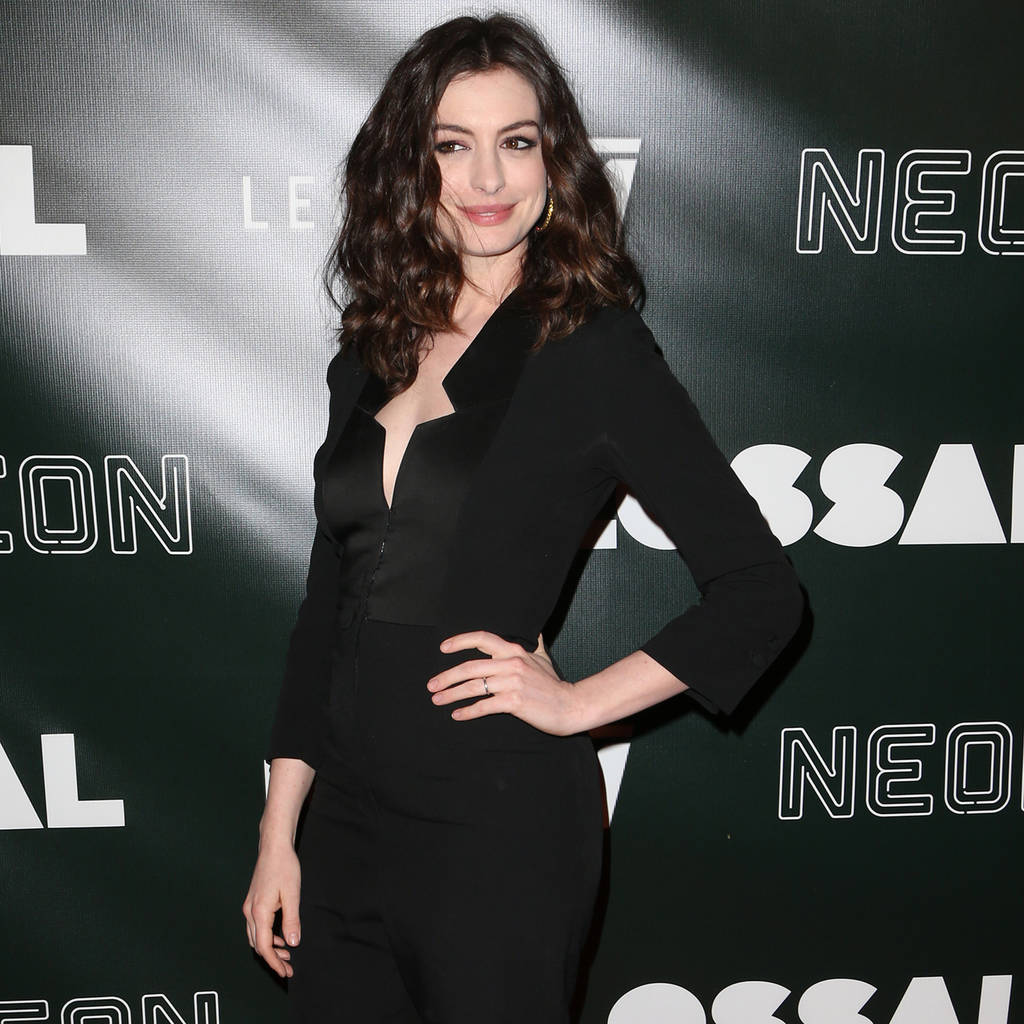
For her press tour for the 2016 movie “Colossal,” Hathaway decided to wear only eco-friendly clothing, in order to send the fashion industry a message. Her stylist, Penny Lovell revealed “All of her choices for this tour are sustainable and will be either vintage pieces or archival runway looks.” For the press tour, she wore  $15 dress she found at the flea market. 

  1. Emma Watson

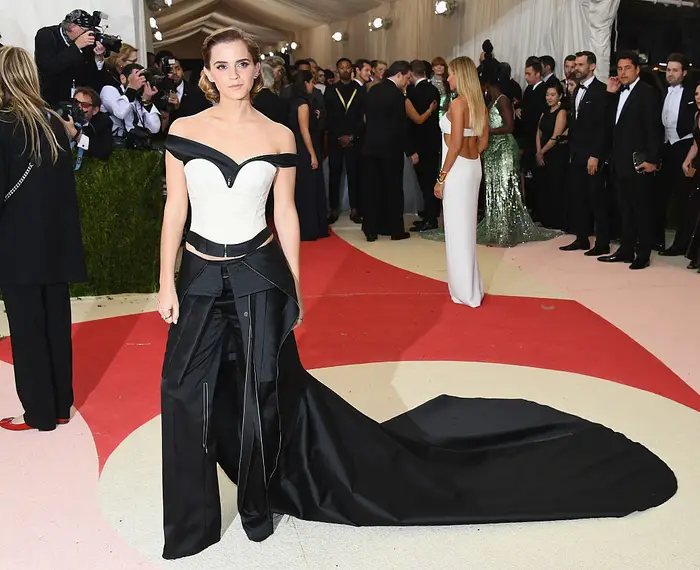
The queen herself, and one of Hollywood’s greatest sustainable fashion advocates. In 2015 she took part in the Green Carpet Challenge (world renowned sustainability initiative where every outfit worn on the red carpet must be ethical), and later she created an Instagram account The Press Tour where she posts her eco-friendly looks. She believes that “as consumers we have so much power to change the world just being careful in what we buy.”

  1. Serena Williams

In 2018, Williams launched her own 100% vegan clothing line, and she spoke out about sustainable fashion being a “new trend in fashion that will never go out of style.” She believes “We have to somehow figure out how to live on this planet and not destroy it,”- and she is completely correct. Shop Serena

These celebrities speak out so they can make a difference, and influence others to help participate in the right movements. Be on the right side of history. 

Check out Best Affordable + Sustainable Brands to get started on your journey to a more eco-friendly lifestyle. 

Best Affordable + Sustainable Fashion Brands

When it comes to buying new clothing, nowadays, there are many things to be on the lookout for; the style of the clothing, the quality, the price and, of course, the sustainability. As more people have become aware of the effects of fast fashion and the inevitable evil cycle it causes buyers to participate in- it is important to also make the public more familiar with alternatives. 

To minimize the impact fast fashion companies have on the environment, it is imperative to stop buying from the industry and to get comfortable with buying alternatives from eco-friendly brands. 

For reference, here is a list of the best, affordable and trendy sustainable fashion companies:

Pact

Price Range: Up to $50

Adult and Children Apparel

“The best ingredients make the best clothes and products. The people who make the clothes are as important as the people who wear them.Style & sustainability can coexist.” (SHOP PACT.COM)

Pact sells both adult and children’s apparel, both created to be worn for long measures of time. The fabrics are soft and cozy, while still being sustainable through countless washes. Their style is timeless, and their morals are outstanding. Here, Pact not only attacks the environmental issues caused by fashion, but also focuses on humanitarian issues. 

Tentree

Price Range: Up to $80

Adult Apparel

“Garments are made of environmentally-conscious materials that’s kinder to the planet and feels great to wear.” (SHOP TENTREE.COM)

For every garment sold, tentree plants 10 trees. Their goal is to plant 1 billion trees by 2030; they believe that we have created this problem, and it is our duty to solve it, step by step. They use organic materials for production, and provide more jobs; creating a solution for the unemployment crisis. 

Reformation

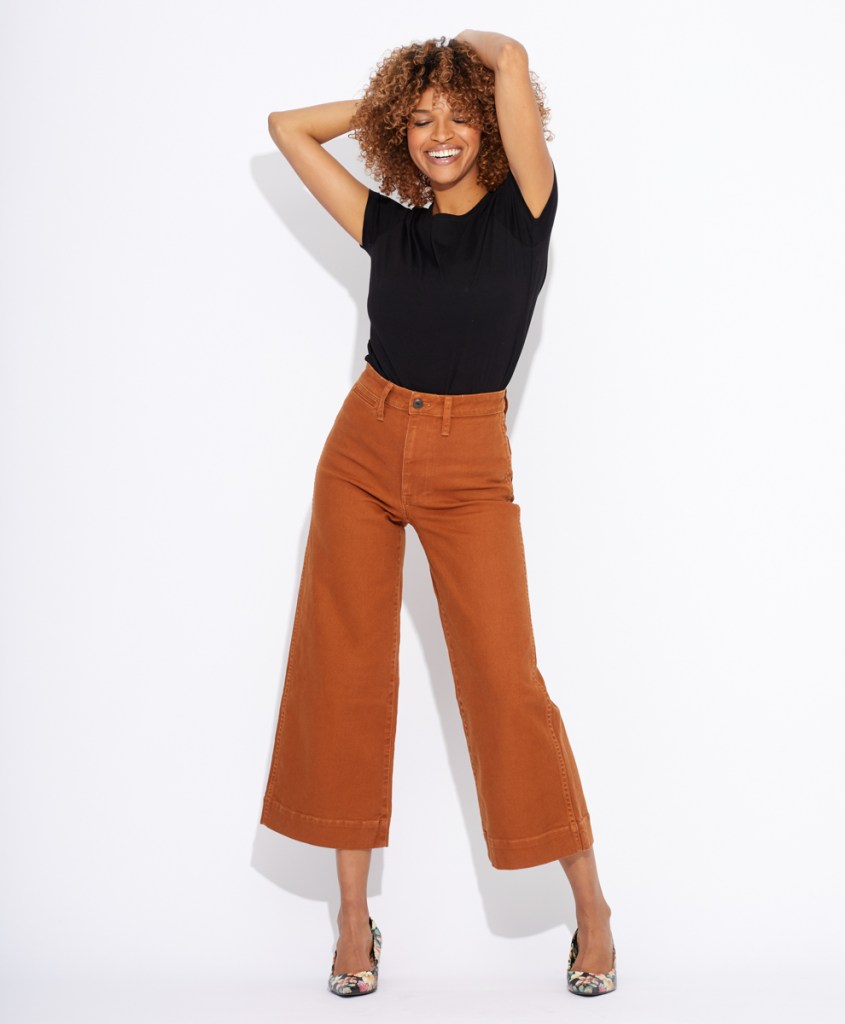
Price Range: $50-$80+

Contemporary Clothing

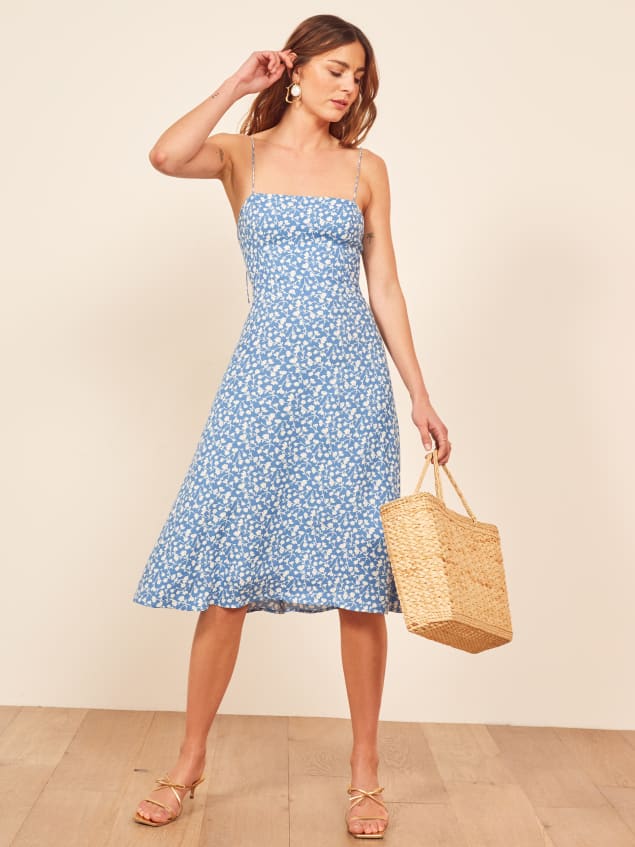
“Reformation’s design mission is to make effortless silhouettes that celebrate the feminine figure…We source the most beautiful and sustainable fabrics possible to bring those designs to life quickly.” (SHOP REFORMATION.COM)

Being aware of the environmental impacts clothing companies have is an important step toward building a sustainable wardrobe. Here, Reformation makes a point to take all factors into consideration (water input, energy input, land use, eco-toxicity, greenhouse gas emissions, human toxicity, availability and price) and then create clothing using the best graded fibers. 

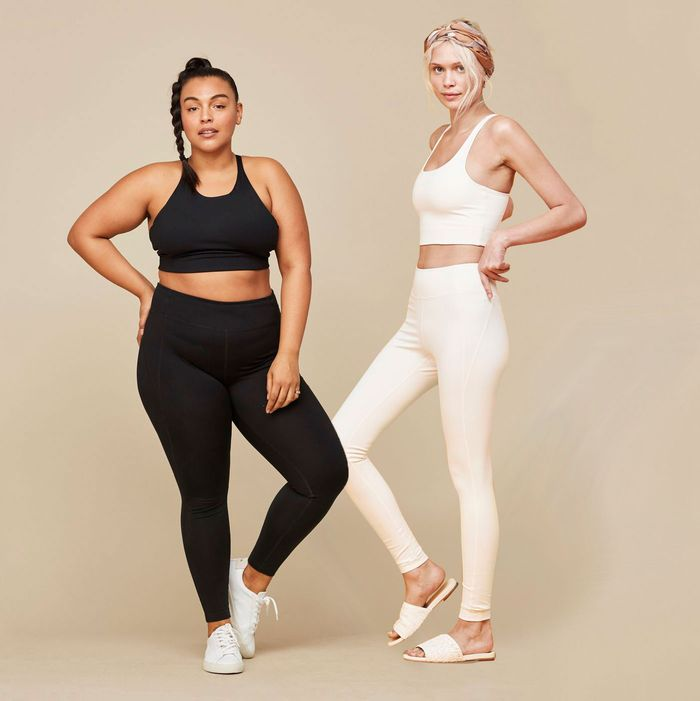
Girlfriend Collective

Price Range: Up to $80+

Women’s Activewear 

“Trash looks better on you than it does polluting the planet. That’s why we turn old plastic bottles, fishing nets and other waste into bras, leggings and shorts you’ll never want to throw away.” (SHOP GIRLFRIEND.COM)

In addition to making stylish clothing out of waste products, Girlfriend also has the Regirlfriend theory;

“Our recycling program that collects old Girlfriend clothes and turns them into new pieces… when you recycle them, you’ll get site credit so you can buy more socks and underwear (or anything else).” Therefore, encouraging you to dispose of clothing waste properly and making the most out of the material’s lifetime. 

Kotn

Price Range: $25-$80

Cotton Basics, Adult Apparel

Kotn works directly with farmers in rural Egypt, “like farm-to-table, but for clothes.” Kotn begins clothing production from raw cotton, already a step toward eco-friendly garment production. In addition to the clothing being sustainable, in regards to quality and process of creation- each purchase also “directly supports the lives of farmers and their children.” (SHOP KOTN.COM)

Kotn sells timeless, basic, comfortable fashion pieces. 

It is possible to live sustainably and stylishly at the same time. 

Be sure to check out these companies, and check out my bonus mentions as well.

Bonus Mentions

Rent the Runway: Eco-friendly alternative to buying new clothing. Gowns, jumpsuits for galas and even every-day clothing is available from this store. Garments are delivered to you in reusable bags and then thoroughly cleaned and ready for the next user once returned. 

Cuyana: Timeless handbags, made by skilled craftsmen. 

Tom’s: This popular shoe brand creates shoes made from sustainable and vegan materials like natural hemp, organic cotton, and recycled polyester.

How Fast Fashion Attracts Teens

In today’s world, growing up as a teen is hard. There are certain expectations we have to meet, and there are pressures that no other generation has had to face to this extent. We are pressured to be perfect, and since we live in a world full of social media and connections, it is even harder to meet the high standards. This is why we sometimes take the easy way out- so we can get a break. 

Our public image plays a large role in who we are. Many teens look up to famous influencers from popular platforms such as Instagram, Tik Tok, or celebrities and models from our favorite movies, shows and brands. Teenagers follow these celebrities and get inspired by their clothing choices- this is where fast fashion begins to crawl into the picture. 

There are 3 main reasons teens turn to fast fashion when buying new clothes. These reasons include the lower price range, the trendy clothing, and the popularity of this fad.

Most teens are aware that fast fashion is bad, but they do not feel the need to look into the details of the industry, or they feel the humanitarian and environmental issues are not large enough to be stopped. Because of this, they continue to purchase from these companies, and continue the cycle. 

NY LIVING.COM

The attractiveness of fast fashion can be played out, and there are other solutions. 

Prices

Stereotypes say teenagers love shopping. Unfortunately, this generalization is not too far-fetched. Big name brands release new styles on the runways, and teenagers become obsessed with recreating the looks. Sadly, most of the clothing that is made by famous luxury brands are too expensive for a teenager’s small budget. So, they turn to cheap brands such as Fashion Nova, a company known for creating copycat versions of luxury brand clothing. (Check out 16 Times Fashion Nova Was Slammed For Ripping Off It’s Designs.)

The best part about shopping from places such as Forever 21, or Shein, is that they sell clothing that is both cheap AND popular. This may seem like a steal, until you begin to consider the terrible cheap quality of clothing, and the speed at which the clothing they sell goes out of fashion. The basis of these brands is releasing new styles every week, and expecting the crowds to keep up with it.  A former Accessories Specialist and Visual Merchandiser at Forever 21 states that new merchandise is released nearly every day. This is the epitome of Fast Fashion. They create cheap clothing that is unable to sustain more than 5 washes, forcing buyers to come back and buy even more clothing. In addition, the clothing that does not break after a few washes, is so out of style by the time new trends take over- the buyer is instantly bored and they want to purchase more. This leads to an incredible amount of waste. 

Despite all this, there is still a certain appeal, to be able to buy fashionable clothing without making a dent in your wallet. To help get out of this cycle of constant buying from these unsustainable companies, is to remember that over time, as trends rapidly change, there will be a build up and you will essentially be wasting money. Rather than always constantly buying, convincing yourself it will not hurt your wallet because you are buying cheap textiles, invest in more expensive, good quality, classic clothing. Clothes that never go out of style, which can be paired in an endless amount of ways without it seeming repetitive. Fast Fashion will never be able to accomplish what the classics can. It is better to occasionally buy clothing that is slightly more expensive, yet classic, rather than continuously purchasing cheap, trendy clothes with short lifelines. 

Trends

Seasonal trends have evolved into fads. According to Mark Schneider Design, “fads are short-lived. Typically, fads last for a total of one season, but they can also last less than a month. Fads are novelty driven fashion choices. A fad is often referred to as “catching on” with the larger population, but will often fade as quickly as it appeared.” 

Brands such as Fashion Nova launch 600-900 new singles each week, according to the CEO (Fast Fashion, Explained). This rapid rate of production triggers the desire to purchase more clothing, leading to more waste. 

The superficial need to stay updated with trends and always be up-to-date is understandable, if not relatable. It requires one to see the larger picture, in order to understand the strategy. Trends are changing faster than ever, only to provoke consumer interest, and attract more buyers. The faster newer clothes are being produced, the more waste is created and improperly disposed of. Teenagers want to stay on track, they want to show the world they know what they are wearing, but in this case, it is better to stay out of the cycle. 

Seeing new styles of appealing clothing all over the internet is just the cherry on top. Social media heightens the fast fashion industry, as it provides the most effective way of advertisement and customer gain. 

A lot of it comes down to wanting to be perceived in a “cool” way, or wanting to impress the people around you. To show you have a good fashion sense and you are always on the top of your game. It’s part of being a teenager.

In the end, it is important to consider the larger effects your actions can have, despite the fact that it may have a short-term benefit for you. 

Always think about the bigger picture; play the long game. 

Where Do Your Clothing Donations Go?

Time to make fast fashion a problem for its makers, not charities
Textile waste a major source of landfill and pollution. Credit: Swapan Photography/Shutterstock

Giving away your used clothes seems like an easy enough, eco-friendly idea, right? You get to clear out your closet, get rid of clothes you no longer wear, and give someone else a chance to use it. 

You plan to drop your clothes off at a donation center, where someone else buys them, therefore prolonging the clothing’s life and decreasing the amount of textile waste disposal. Alas, your intentions are good, but this is not the process most Goodwill donations follow every time. 

“With Americans buying and discarding clothing at record rates — we buy about five times more clothing than we did in 1980, and threw away 40 percent more textiles in 2009 than we did a decade earlier — donation centers have far more stuff than they could ever realistically resell” (Lauren Indvik– What Really Happens To Your Clothing Donations?). 

The world, as a whole, consumes about 80 billion tons of clothing per year. Regarding Americans, each person only donates about 15% of their clothing, the remaining (12.8 million tons per year) go to landfills. According to Jose Medellin, director of communications for Goodwill NY/NJ– stores in New York and New Jersey collected more than 85.7 million pounds of clothing donations yearly. This rate of clothing donations, along with the fact that his Goodwill region is only 1 out of about 150 other regional organizations across America and Canada is an eye-opener. 

Just a little bit — around 20 percent — of Americans’ pre-owned clothing, including those sent to transfer shops, are being sold at used retail outlets and second-hand shops in the U.S. Unmistakably more are being dispatched to creating regions like sub-Saharan Africa, South America and China — in fact, the U.S. sends away an entire billion pounds of used clothing every year, making it our eighth biggest fare — where garments are purchased in 1,000-pound bundles, arranged and afterward exchanged to the nearby masses, now and then unleashing ruin on neighborhood enterprises by removing employments from nearby material laborers. Another 45 percent is reused through one of the U.S’s. 3,000-odd material reusing offices. What’s more, the rest? That winds up in landfills. Eleven percent of gifts made to Goodwill in 2014, for instance, were labelled unsellable and taken to landfills — around 22 million pounds in all — costing the association a great many dollars in transport charges and different costs. (Lauren Indvik– What Really Happens To Your Clothing Donations?)

fast fashion landfill, recycling, waste
Fast Fashion In Landfills- Trusted Clothes.com

Because of the many clothes that are directed to the Goodwill Donation bins, there is a large process of elimination workers use to take out clothing fit for reselling. 

The process begins as soon as you drop off your clothes. Workers automatically remove wet/ mildewy clothing, and then organize the rest of the clothing on the shelves. The clothes have 4 weeks in the store, and if they are not bought within this time period, they are moved out to the Goodwill outlets. Here, the prices are kept extremely low, to encourage buying. The goal is to keep as much clothing out of the landfills as possible. From the outlets, clothes move onto the auctions, which are live events. The clothing that is still not sold in the auctions, go to textile recyclers, where the clothing either gets resold into the US used clothing industry or overseas. Sending the clothing overseas is risky for the workers on the receiving end, because it minimizes the job availability and income in the factories. If not resold or relocated, it is made into scraps for furniture or insulation. Any clothing that does not go into either of these categories, is sent to the landfills (Here’s What Does Goodwill Do With Your Clothes). 

The spokesperson for S.M.A.R.T. (a trade association that works to recycle textiles), Kathy Walsh believes that nearly 95% of all clothing can be reused and recycled. It all depends on how you handle it.

Never throw your clothing into the garbage. Instead, go to Goodwill and donate them. Another option, instead of Goodwill, is to send them to friends and mutuals if the clothing is in good condition. Maybe you have used it enough for your lifetime, but the clothing could have a new life in another closet. For any clothing that is wet or moldy, contact a sanitation department and research the best way to ecologically dispose of them. 

The fastest way to reduce your footprint, is to buy less clothing overall. To reduce clothing waste, the most effective idea is to keep a sustainable closet. 

See 5 Tips For A Sustainable Closet

How Fast Fashion Kills The Planet

On a daily basis, people aim to have “looks to die for” or a “fashion sense that kills”- usually unaware that some types of fashion do just that. Regarding fast fashion, these pieces of clothing are literally killing the planet. The amount of clothes factories are pumping out and the amount of waste that goes into these different processes, is unnatural for the planet. Earth cannot sustain this level of production. 

The process of fast fashion production is terrible for the planet, as a result of the waste accumulation, and the disposal of the clothing after it has lived it’s short life also has great consequences. 

To begin with the process of producing fast fashion, factories produce 1.2 billion tons of carbon dioxide– which is even more than the emissions from air travel and international shipping. Compare the rapid speed with which trends change, and the need for companies to keep up with these trends, by producing more and more clothing, and the factories, therefore releasing more and more toxins into the air. Making a pair of jeans releases more greenhouse gases than driving a car for 80 miles. Remind yourself that while car companies release a large portion of the overall greenhouse gas emissions, fast fashion companies release even more. One tshirt requires 2,700 liters of water. This is equivalent to 1,350 days of drinking water for one person. In addition to clothing production wasting many natural resources, 30% of the substances used in clothing production have been proven to pose a serious health risk to people. The toxins that are released during the process are infectious to the atmosphere, and have near-immediate results on factory workers.  

Regarding the disposal of clothing that fall under the fast fashion label, it is also important to remember that over time, people have begun to purchase even more clothing and wear them for a shorter amount of time.  One garbage truck of clothes is burned or sent to landfills every second. The average consumer bought 60 percent more clothes in 2014 than in 2000, but kept each garment for half as long. The world as a whole consumes 80 billion items of clothing yearly, and whether the clothing is used or unused, it’s disposal process will still be toxic for the environment. 

Burning clothing releases catastrophic amounts of CO2 into the atmosphere. Increased CO2 gasses leads to the greenhouse effect, which is when the excessive amounts of CO2 create a blanket beneath the Earth’s atmosphere, and trap in all the heat from the sun’s energy. This interrupts climate patterns and causes an overall global warming, which would only create more problems. As global temperatures rise, ice caps in colder areas begin melting, increasing sea levels and reducing the territory for creatures who thrive in extreme cold temperatures. Sea levels will continue to rise, and any coastal cities will be underwater within the next 50 years. 

Using fast fashion begins a chain reaction. The large amount of clothes that are constantly being produced only causes harm to the planet and those living in it. Fast fashion is short-lived, which is why new clothing is produced rapidly and disposed of too soon. The bad quality of the clothing allows it to only sustain a few wears, and the trends that keep changing make buyers want to buy more frequently. By removing yourself from purchasing from this industry, you will not only be saving your own money, but you will (in the long run) be saving the world. 

Spread awareness, promote eco-friendly fashion brands and think of the bigger picture. Play the long game. 

Shop Ethical and Sustainable Brands: https://www.thegoodtrade.com/features/fair-trade-clothing

The Truth About Leather

Leather clothing is known for its sparkling reputation as a result of it’s long life. For years, leather has been styled in many different ways, always finding some way to be incorporated into outfits, and never going out of fashion. This material’s long life adds to its appeal, topping off its ability to be paired with a countless number of outfits. As someone who advocates for good quality material and choosing clothes that live long, leather is undeniably a great buy. Despite all these great qualities, one part of leather that should not be overlooked, is its production.

Leather production is strongly linked to environmental issues, starting with the cruel rearing of livestock, which leads to other ecological side-effects. This includes deforestation, water and land overuse, and gas emissions. The global effects put aside, leather production directly impacts animals, and then as a result of the procedures done with the livestock- the environmental issues are just side effects. According to the Food and Agriculture Organization “around 3.8 billion cows and other bovine animals are used in leather production each year– around one animal for every two people on the planet.”

Additionally, The Sustainable Apparel Coalition’s Higg Materials Sustainability Index (measure environmental impact of materials until the point of fabrication), gives most leathers a score of 159 for impact due to the high level of contribution to water wastage, pollution and global warming. Compare this to the score of 44 for polyester and 98 for cotton.  

Tanning is the most toxic part of leather production, where hides are dumped in water, filled with chemicals to prevent the withering of the material- to stop decomposing and to aid in the coloring process. The chemicals this process produces is so toxic for workers, that the government in both US and Europe were forced to close down the Tanneries. In underdeveloped countries, the workers are forced to stay in these conditions and work through the toxins; some workers as young as 10 years old. The effects of these toxins are also long term, possibly triggering kidney/liver damage, skin cancer, reproductive problems and irritation. 

The process of leather production is full of negative consequences, but there are alternatives. Leather is known for its durability and long life, and despite the cruel production methods, it is not a form of fast fashion and can be worn for years. There are many alternatives to leather, such as vegan products, but many of these vegan products have just as large of an environmental footprint as normal leather. They are toxic, non-renewable petroleum-based substances, non-biodegradable and detrimental to the environment. Luckily, many companies have come up with solutions that fulfill the long life of normal leather, and follow ethical procedures during the creation process. 

Leather Alternatives

  • Pineapple Leather
  • Cork
  • Leaf Leather
  • MuSkin (mushroom leather)

Leather lives long, but not without costly side effects. These alternatives will fulfill the same purpose leather has been doing, without the negative outcomes during production. Be sure to make the change in your life, before it is too late to take the step toward a better future. 

Check out my previous blog. Here you will find a list of 9 Sustainable Fabrics To Be On The Lookout For

Why Choose Reusable Face Masks?

In light of recent events, I thought it would be important to dedicate an article of my blogs to Covid-19. For the past three months, the citizens of America have been quarantined, and all social life was encouraged to stay alive virtually. Schools and offices changed their curriculum and took on the idea of virtual learning, therefore encouraging the practice of staying indoors. Restaurants were closed down and public places such as parks and malls were empty. For the rare occasion when you would have to go out, you could not go anywhere without a mask. For people who had jobs which still required leaving the protection of their house and physically being in the workplace- chances of getting affected by Covid-19 were much higher. These people had to wear masks every day, and the sudden rise in usage of masks caused a near wipe out of face masks in all stores. 

Wearing a mask is imperative, but it is also important to keep in practice of using eco-friendly masks. This translates to dropping the use of disposable masks and switching to reusable masks. Switching from disposable masks to reusable masks will not only lessen the threat of coronavirus spreading to oneself, but will also lighten the load of trash, therefore, helping the planet. 

Why Choose a Reusable Face Mask?

Reusable Face Masks Last Longer

Some reusable face masks contain a plastic filter shield, which would be secured to a silicone face mask. Together the filter and the shield can last 2 years.  The plastic filter shield holds the filter cartridge which can be replaced over time. Even masks without the filter cartridge and shield last much longer than disposable masks and are more durable. This allows for a longer life and more usage to get your money’s worth. 

Reusable Face Masks Save Money

A reusable face mask in a lower-risk environment can be reused a number of times, with no limit, as long as it is properly disinfected after each use. Reusable face masks which require filters due to their use in higher-risk environments can save a great deal of money as well.  A reusable mask with a single filter is equivalent to 20 disposable masks. Although the initial price of reusable masks are higher than that of the disposable ones, the mask will pay for itself very quickly once you consider how many disposable masks it replaces. 

Reusable Face Masks Put You At a Lower Risk of Being Infected

Disposable masks require a lot of adjusting, due to the cheap quality. Every time you adjust your mask, you are touching the outside of the mask which is protecting you from all the germs. Once your hands have been in contact with the germs, they can unknowingly touch your face and the germs will be absorbed, therefore only putting yourself in more harm’s way. The outside of each mask is dirty and is likely contaminated, and while reusable masks will be sturdy and allow you room for breathing without difficulty, disposable masks simply cause more distraction. 

For those concerned for the outward appearance, reusable masks can also be personalized and fit for one’s personal taste. In addition to reusable face masks being sold in stores, another way to let your clothes live long, is by making your own face masks. Take any old piece of clothing (make sure it’s clean!) and re-vamp it so it can be turned into a face mask.

You can sew your own mask, and donate them to the hospitals that are in need of them. Here is a list of locations that are accepting hand-sewn masks. If you are bored and have time during quarantine, make sure to check it out!

How To Make Face Mask Donations

Check out this website to learn how to sew your own face mask:

How To Sew Your Own Facemask

Choose Ahimsa Silk

Silk is a generally utilized material in the top of the line attire industry. Considered an extravagance texture for its non-abrasiveness, wrap, and sheen, silk likewise has breathable and warm properties (keeping you cool in the late spring and warm in the winter) settling on it an extraordinary decision for an assortment of clothing things. Ethical brands use silk in their attire lines consistently rather than manufactured, synthetic materials.

How is normal silk made?

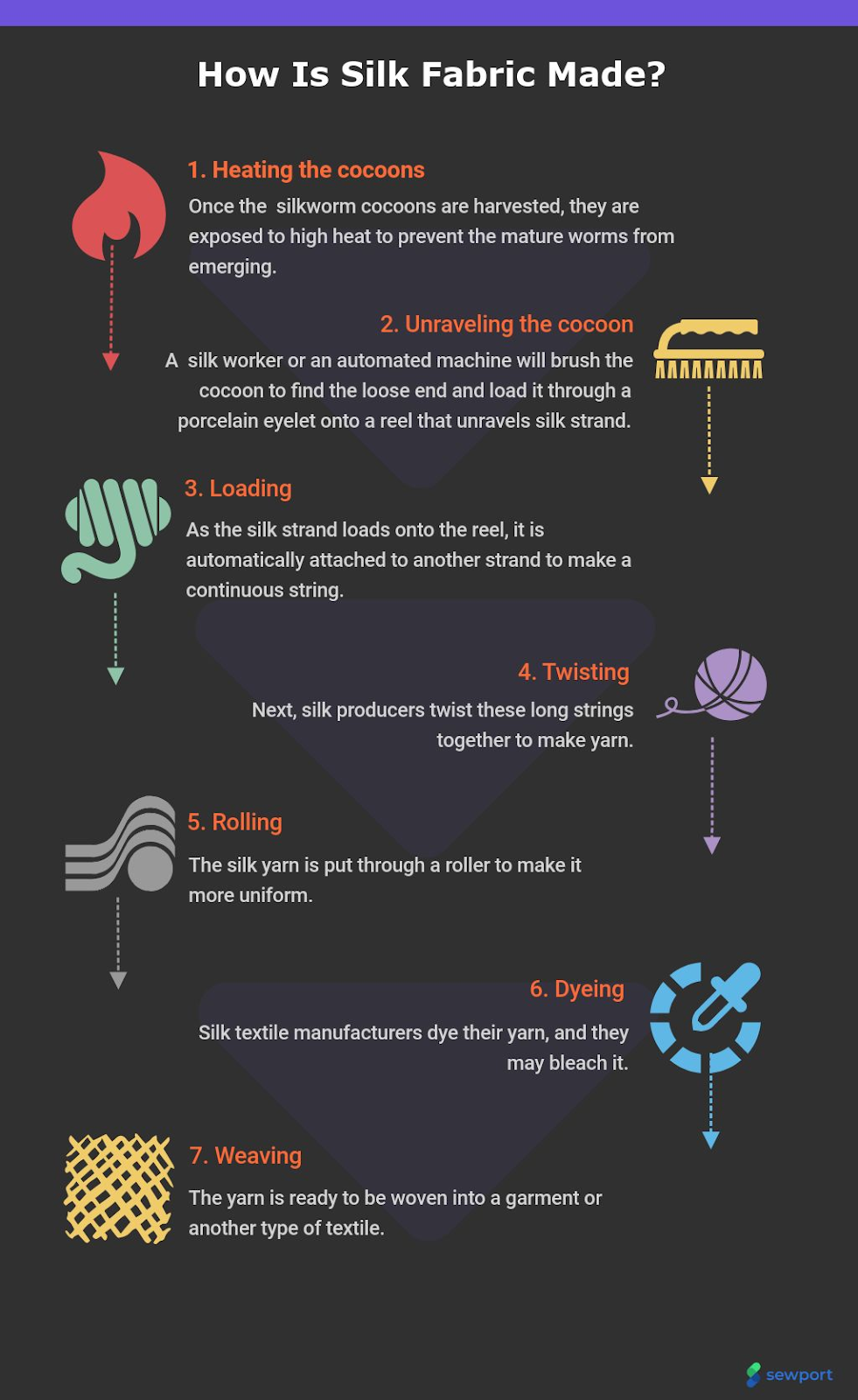
Once silkworm breeders have harvested silkworm cocoons, they usually expose them to high heat to prevent the mature worms from emerging. Some animal rights activists protest this practice; they contend that it’s possible to harvest silk without killing silkworms. The intact cocoons are boiled, and during this process the silkworm dies. This is where the idea of Peace Silk comes in. 

Ahimsa (Peace) silk is a silk that is bred and harvested through non-violent processes. This allows the silkworm to complete metamorphosis in order to allow it to reach completion and turn into a butterfly. This encourages the idea that no animal should die in the name of fashion. Once the silkworm leaves the cocoon, the empty cocoon is then used to produce silk. 

Silk is considered to have a very low water footprint and has almost zero percent waste, and is biodegradable within only a few years, a much better option compared to synthetic materials which take hundreds of years. 

“By bringing silk production back to local regions of the world experiencing drought and poverty like Meghalaya, a country in the north-eastern region of India, we can help create a new livelihood for women and their children while generating a larger market for natural peace silk” (O’Brien). The production of peace silk will not only be beneficial for the environment, but also provide new opportunities for regions living in poverty by proving to be a source of sustainable income. 

In addition to the obvious positive environmental factors, peace silk is also extremely durable. Despite the myth that it is a fancier fabric that only requires dry cleaning, it can actually be machine-washed or hand-washed. The only possible downside are wrinkles that may form during the drying process- but these can be steamed out and this is a very simple process.  

Peace silk is full of positive factors, pertaining to the environment, the material’s sustainability and duration and the quality of the fabric against the skin. Make sure to check it out and always be on the lookout for more sustainable versions of your everyday materials!

9 Sustainable Fabrics To Be On The Look Out For

When clothes shopping, it is important to keep in mind what type of fabrics are being used. Clothes made from fabrics that are created through the usage of natural energy can have an overall better long term effect. Clothing production involves the usage of unsafe chemicals, freshwater shortages, overbearing energy consumption, and the eventual overfilling of landfills. Using more eco-friendly materials allows you to reduce your impact on the environment and invest in safer practices. 

Today, I will be listing sustainable and vegan fabrics that are 100% recommended to add to your wardrobe. Going vegan is at an all time high, so what better time will there be to begin investing in vegan fabrics?

Animal agribusiness is one of the main sources of ozone harming substance emanations, water utilization, and deforestation around the world, inventive options in contrast to customary materials are being discharged constantly in a market that is endeavoring to stay aware of moving patterns. Gone also are the days while going vegan implied being veggie obsessed. As progressively cognizant buyers are understanding that they can no longer legitimize the heap negative effects that animal use has no matter how you look at it, the interest for sustainable vegan fabrics is at an unequaled high.

Next time you go shopping, take a look at this list of fabrics and keep an eye out for more sustainable purchases.

Organic Cotton

It is made from non-genetically modified plants that are grown without the use of any synthetic agricultural chemicals such as fertilisers or pesticides. This makes it better for the environment, the climate and the health of the people involved.

Linen

Growing flax requires less water than cotton. There is very little waste with flax; other part of the plant, like the seeds, can be used to produce linseed oil or flax seeds for consumption. Linen typically requires fewer pesticides, herbicides and fungicides than cotton. The fibres are porous, and it’s great at keeping you cool in the summer but it can also be insulating in colder temperatures. 

Hemp

As a crop, hemp is exceptionally environmentally positive. It requires around 50 percent less water to grow per season than conventional cotton and can grow in a range of soils at high yield. The plant is also extremely durable and requires low to zero pesticides. Hemp fabric is produced from fibers taken from stem and stalk of the cannabis plant which are softened in water, broken up and spun or woven into fabric. Hemp is an incredibly versatile and durable material with a texture very similar in look and feel to linen. Weight depends on how it’s processed and what it’s mixed with.

Peace Silk

Silk has extraordinary properties that make it an entirely reasonable, eco-accommodating common fiber. Silk production is considered to have a low water footprint and produce right around zero percent waste. Peace silk or cruelty-free silk, otherwise called ‘Eri’ or ‘Ahimsa’ silk is a procedure that permits the silkworm to rise up out of their case and the silk fiber is thusly gathered and spun from opened casings. Permitting the silkworm to finish their normal life cycle. This procedure is very work escalated however it gives business advantages to the weavers and their families. Peace silk is hotter and milder as it is spun as a fiber instead of as a string. Peace silk is additionally said to have temperature controlling properties which help the body to hold heat in chilly environmental factors and remove heat when it is warm.

Cashmere Wool

Cashmere Wool is the best reasonable and inexhaustible fiber with ethics to shield the client from the encompassing basics. Be it sew or woven, woolen strands make durable array. Fibres from these pieces of clothing won’t strip and will hold its structure for a long time, in any event, for generations.

Honorable Mentions:

Cork

Cork is viewed as an inexhaustible or reasonable material in light of the fact that the collecting of cork doesn’t require the chopping down of any trees; rather, the trees grow and can be reused and remodeled. 

Pinatex

 The leaves of the pineapple plant have recently become one of the most sustainable vegan leather alternatives on the market.

Futuristic Fabrics:

Econyl

Econyl is a type of nylon that is made completely from waste items. It is produced using a scope of post-shopper squander including relinquished angling nets, floor coverings and rigid materials and intends to be a green option in contrast to the first item which is produced using a derivative of oil. Particularly utilized in swimwear.

Spider Silk

Regardless of the name, spiders are not utilized in the creation of this material. The organization that concocted spider silk, Bolt Threads, contemplated insects and their DNA to figure out how the fiber was delivered and work out an approach to build up their own rendition. No insect DNA is utilized in its assembling and the final result is completely synthetic. The fundamental contribution to the fiber-production process is sugar from plants that are developed, gathered and replanted. The sugars from these plants are matured and this creates a protein that is then spun into a fiber; spider silk. The extraordinary thing about this material is that it is produced using renewable resources so the environmental effect is additionally lower.

So there it is, the list of 5 readily available substances as the world takes a step away from harmful fabrics like nylon and polyester to more sustainable, eco-friendly ones. 

Always be on the lookout and remember, using sustainable fabrics can go a long way.